
Quick Summary
Personalized pet care means your vet builds a plan around your individual cat or dog, based on how it eats, moves, sleeps, and behaves at home. This tailored approach shapes which checks are done, how often, and how advice is shared with you.
- Personalized plans cover health history, daily habits, behavior, life stage, and what you can manage at home.
- Individual attention can reduce vet stress through quieter appointment times and familiar blankets or carriers.
- Senior pets often need exams about every six months, with baseline bloodwork and urinalysis.
- Give anyone caring for your pet a one-page plan listing medications, feeding, allergies, and emergency contacts.
- Track appetite, sleep, activity, and stress behaviors weekly and bring the log to each visit.
Table of Contents
- What Personalized Pet Care Means in Practice
- How Individual Attention Reduces Stress in Nervous Pets
- Building a Pet Wellness Plan Around Your Animal’s Needs
- What a Veterinary Wellness Exam Should Cover
- When Pet Diagnostic Testing Guides Better Decisions
- Caring for Senior Pets as Their Needs Change
- How to Evaluate a Provider and Measure Your Pet’s Progress
- Booking Your Pet’s First Personalized Visit
- Frequently Asked Questions
What Personalized Pet Care Means in Practice
Last Updated: November 19, 2026
Personalized pet care means your vet builds a plan around your individual pet, not a generic checklist. That picture shapes what we check, how often we check it, and how we talk with you about it. (Source: American Animal Hospital Association (AAHA) guidelines)
Many pet owners care about preventive health. The harder question is how to turn that intention into a routine that fits one specific animal.
Personalized care usually covers a few core areas:
- Health history: past illnesses, allergies, medications, and surgeries
- Daily habits: appetite, water intake, activity level, and litter or bathroom patterns
- Behavior: how your pet responds to handling, car rides, and new people
- Life stage: puppy, adult, or senior needs that change over time
- Your routine: what you can realistically manage at home
Personalization is not about giving your pet special treatment for its own sake. It is about making sure the advice you receive matches the animal in front of you.
How Individual Attention Reduces Stress in Nervous Pets
Many pets dread the vet, and that fear can make every future visit harder. Individual attention helps break that cycle.
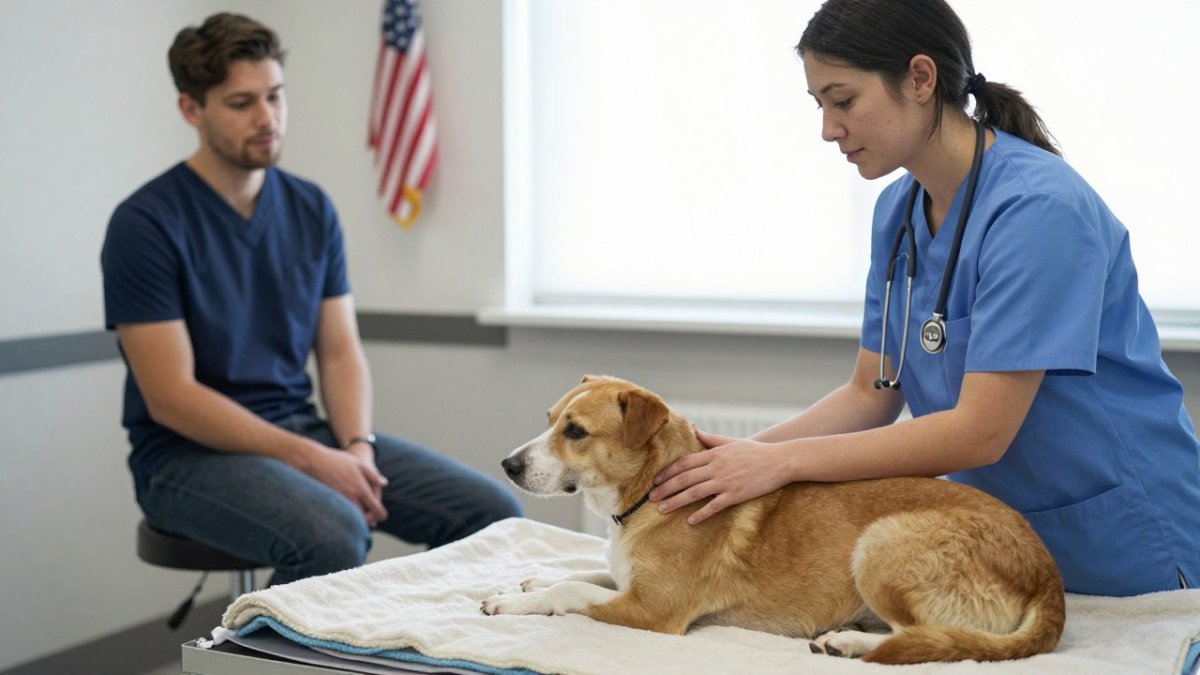
Small adjustments can help:
- Booking quieter appointment times
- Using a familiar blanket or carrier on the exam table
- Letting your pet sniff a staff member before handling
- Pausing between procedures when your pet shows stress signs
- Discussing calming options before the visit, not during it
Stress can show up as panting, trembling, hiding, or lip licking. Noticing these signs early lets the team adjust before a pet becomes fully frightened.
Stress reduction is also a health issue. A pet that is calm during exams is easier to examine thoroughly.
Building a Pet Wellness Plan Around Your Animal’s Needs
A wellness plan is only personalized if it changes when your pet changes.
Start with an assessment, not a template. Before the plan is written, gather the inputs that drive every recommendation:
- Age and life stage: puppy or kitten, adult, senior, or geriatric, each carries different exam intervals and screening priorities.
- Temperament and handling: Does your pet tolerate restraint, nail trims, ear checks, and car rides, or does each become a stress event?
- Health history: chronic conditions, prior surgeries, allergies, current medications, and any adverse reactions to past treatments.
- Routine: feeding times, walk or litter schedule, work hours, and who else in the household provides care.
- Owner priorities and limits: budget, transportation, time, and comfort with at-home tasks such as brushing teeth or giving injections.
Then set the plan by life stage. A common pattern most practitioners follow:
- Puppies and kittens: a series of visits in the first months for vaccines, parasite prevention, and growth checks, plus early socialization and handling practice so future exams are easier.
- Healthy adults: an annual exam with weight and dental checks, vaccines on their due dates, and parasite prevention matched to your region and your pet’s outdoor exposure.
- Seniors: more frequent exams, often every six months, with baseline bloodwork and urinalysis so future changes can be compared against a known starting point, plus attention to joints, kidneys, thyroid, and dental health.
- Chronic conditions or recovery: a condition-specific schedule (for example, more frequent monitoring for a pet on long-term medication) and clear instructions for what to watch at home and when to call.
Write it down as a handoff document. A plan that lives only in a conversation gets lost.
Revisit it on a schedule. Review the plan at least once a year for a healthy adult, every six months for a senior or a pet with a chronic condition, and immediately after any new diagnosis, surgery, or noticeable change in behavior or appetite. Ask your vet to explain why each item is on the plan; if an item cannot be tied to your pet’s age, history, or risk, it may not belong there.
Watch out: A plan copied from a breed website or a friend’s pet is not personalized, intervals and screening recommendations that fit one animal can be unnecessary or insufficient for another, so have your own vet confirm the schedule against your pet’s history.
The article lays out how wellness plans should vary by life stage, with exam intervals and screening priorities shifting as pets age.
| Life stage | Typical exam focus | Visit frequency |
|---|---|---|
| Puppies and kittens | Vaccines, parasite prevention, growth checks | Series of visits in first months |
| Healthy adults | Weight, dental checks, vaccines on due dates | Annual exam |
| Seniors | Baseline bloodwork and urinalysis, joints, kidneys, thyroid, dental | Often every six months |
| Chronic conditions or recovery | Condition-specific monitoring | Per condition-specific schedule |
What a Veterinary Wellness Exam Should Cover
A veterinary wellness exam is a preventive visit for an animal that appears healthy. It looks for early signs of disease before they cause obvious symptoms. (Source: Fear Free certification standards)
A thorough wellness exam usually includes:
- A nose-to-tail physical examination
- Weight and body condition assessment
- Heart and lung listening
- Eye, ear, mouth, and teeth checks
- Skin and coat evaluation
- Joint and mobility assessment
Bring a list of questions and any notes about appetite, drinking, bathroom habits, or behavior changes. Those details help your vet decide what to examine more closely. If your pet needs bloodwork or imaging, your vet will explain why and what the results may show.
When Pet Diagnostic Testing Guides Better Decisions
Diagnostic testing helps answer questions that an exam alone cannot. You can explore advanced pet diagnostics for radiology and in-house bloodwork in the Katy area.
Testing can help when:
- An exam finds something unclear
- A senior pet needs baseline values for future comparison
- A pet shows symptoms such as weight loss, excessive drinking, or lethargy
- Your vet wants to monitor an existing condition
Test results are one piece of the picture. Your vet interprets them alongside your pet’s history and examination findings.
Watch out: a single abnormal value does not always mean serious disease, and a normal value does not rule everything out.
Caring for Senior Pets as Their Needs Change
Senior pets often need more frequent checkups because age-related conditions can develop gradually. Our senior pet care team manages conditions like arthritis, diabetes, and kidney disease for older cats and dogs.
Common areas of focus for older pets include:
- Joint comfort and mobility
- Kidney and thyroid health
- Dental health and oral pain
- Vision and hearing changes
- Cognitive changes and disrupted sleep
- Weight management
Early conversations matter. Many older pets hide discomfort, so small changes at home are valuable information. Your vet can work with you on a plan that may include more frequent exams, targeted testing, and adjustments to diet or activity.
How to Evaluate a Provider and Measure Your Pet’s Progress
Choosing a provider is where personalization either becomes real or stays a slogan.
Vet the provider before the first visit. Ask each practice the same set of questions and write down the answers so you can compare them side by side:
- Credentials and scope: Who will actually see your pet, a veterinarian, a credentialed veterinary technician, or both? What is the practice’s protocol for referring to a specialist or emergency hospital when a case exceeds its scope?
- Insurance and liability: Does the practice carry professional liability coverage? If a caregiver will be in your home, are they bonded and insured, and can they provide a certificate of insurance on request?
- Emergency procedures: What happens if your pet has a crisis after hours? Is there a posted on-call number, a transfer arrangement with a 24-hour hospital, or a written emergency plan you receive at intake?
- Communication: How and when will you receive updates, phone, text, portal, or email? What is the expected response time for a non-emergency question, and who answers it?
- Care-plan flexibility: Can the plan be adjusted for a pet that cannot tolerate certain handling, a medication that must be given at a specific time, or a feeding schedule that differs from the practice default?
- References and reviews: Ask for two or three client references who have a pet with similar needs (senior, anxious, medicated, or special-needs), and read recent reviews for patterns rather than single complaints.
Watch out: A practice that cannot answer the emergency and insurance questions in specific terms before you book is telling you something, get those answers in writing rather than assuming they exist.
Measure progress with observable indicators, not vibes. Personalized care should produce changes you can see and record. Keep a simple log, a notebook or phone note is enough, and track the same few items at the same time each week:
- Appetite and water intake: Are meals finished? Is drinking steady, up, or down?
- Sleep: Is your pet resting through the night, or pacing and waking more?
- Activity and mobility: Is it rising stairs, jumping, or walking at the same pace as last month?
- Stress behaviors: Count episodes of panting, trembling, hiding, lip licking, or avoidance during handling and car rides.
- Medication adherence: Note missed doses and any difficulty giving the medication.
- Veterinary follow-up: Record whether recommended rechecks and tests were completed and what changed as a result.
Bring the log to each visit. Trends over weeks are more useful to your vet than a single good or bad day, and they let the plan be adjusted on evidence rather than memory.
Booking Your Pet’s First Personalized Visit
Your first visit is the best time to set the foundation for personalized care. Come prepared with your pet’s history, current medications, food details, and any behavior concerns.
Before you book, consider:
- Whether your pet is a puppy, adult, or senior
- Any known health concerns or medications
- Your schedule and preferred appointment times
- Any stress signs you have noticed at home or in the car
To see the full range of services available, visit our services page. If your pet is due for preventive care, you can start with a wellness exam built around your pet’s needs.
Frequently Asked Questions
Why is personalized veterinary care important for cats and dogs?
Cats and dogs differ in age, breed, activity level, diet and medical history, so one standard routine often misses what a specific animal needs. Personalized care starts with a review of the pet’s history, lifestyle and behavior, then sets wellness visits, vaccines and testing to match. Owners also get clearer guidance on what to watch for between visits. Because the plan is built around the individual animal, it is easier to spot early changes in appetite, activity or behavior and to act on them sooner.
How often should a pet have a wellness exam?
Many veterinarians recommend a wellness exam at least once a year for healthy adult pets, and more often for puppies, kittens and senior pets, whose health can change faster. The right schedule depends on the animal’s age, existing conditions and medications. Your veterinarian can recommend a timeline that fits your pet and tell you which tests, if any, should be repeated at each visit. Ask for a written schedule so you know when the next visit is due.
What should a personalized pet care plan include?
A personalized pet wellness plan typically covers vaccines and parasite prevention, dental and weight checks, a feeding and exercise routine suited to the animal, and a list of symptoms that should prompt an earlier visit. For pets with ongoing conditions, it may also include medication schedules and follow-up testing. Ask your veterinarian to explain each part of the plan and what it is meant to prevent. Contact the clinic directly for details on what a plan includes for your pet.
How can diagnostic testing help guide a pet’s care?
Diagnostic testing, such as bloodwork, urinalysis or imaging, can reveal problems that are not yet visible from the outside. Results help your veterinarian decide whether a condition needs treatment, monitoring or further investigation. Tests are most useful when they are matched to the pet’s age, symptoms and history rather than run by default. Ask your veterinarian why a test is recommended, what it can and cannot show, and how the results will change the plan.
